
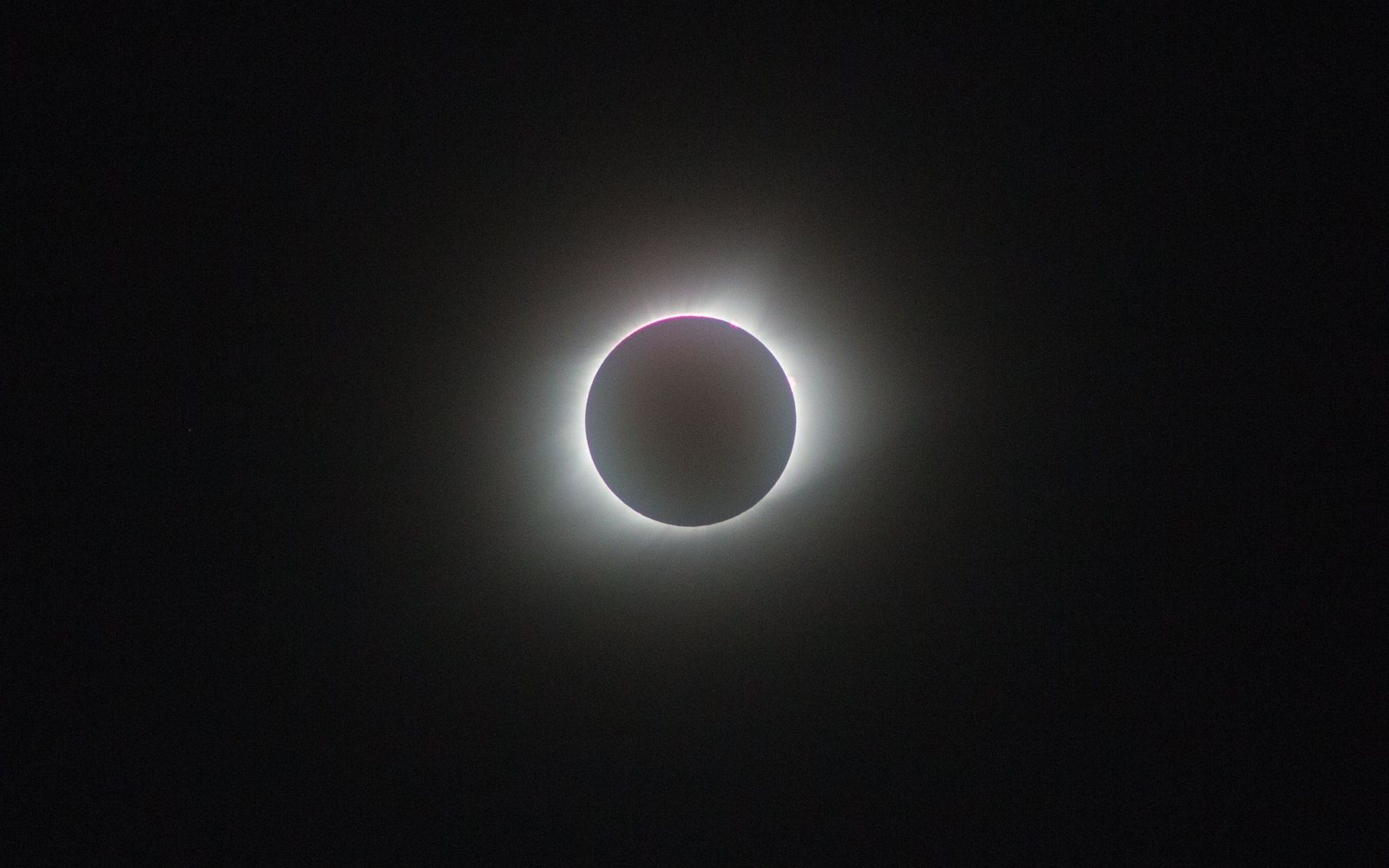
Spain is preparing for a rare total solar eclipse on August 12 as millions of residents and visitors look for viewing locations across the country. The event arrives during a period of extreme heat and dry conditions, making wildfire prevention a central part of the public-safety plan.
Authorities have designated hundreds of official viewing sites and are deploying large numbers of police and emergency personnel. Local governments have also restricted activities that could spark fires, including barbecues and access to some sensitive areas.
Millions expected to watch across Spain
The eclipse path will cross parts of Greenland, Iceland, northern Russia, the Atlantic Ocean, Spain and a small corner of Portugal. Many other areas in the Northern Hemisphere will see a partial eclipse, according to NASA.
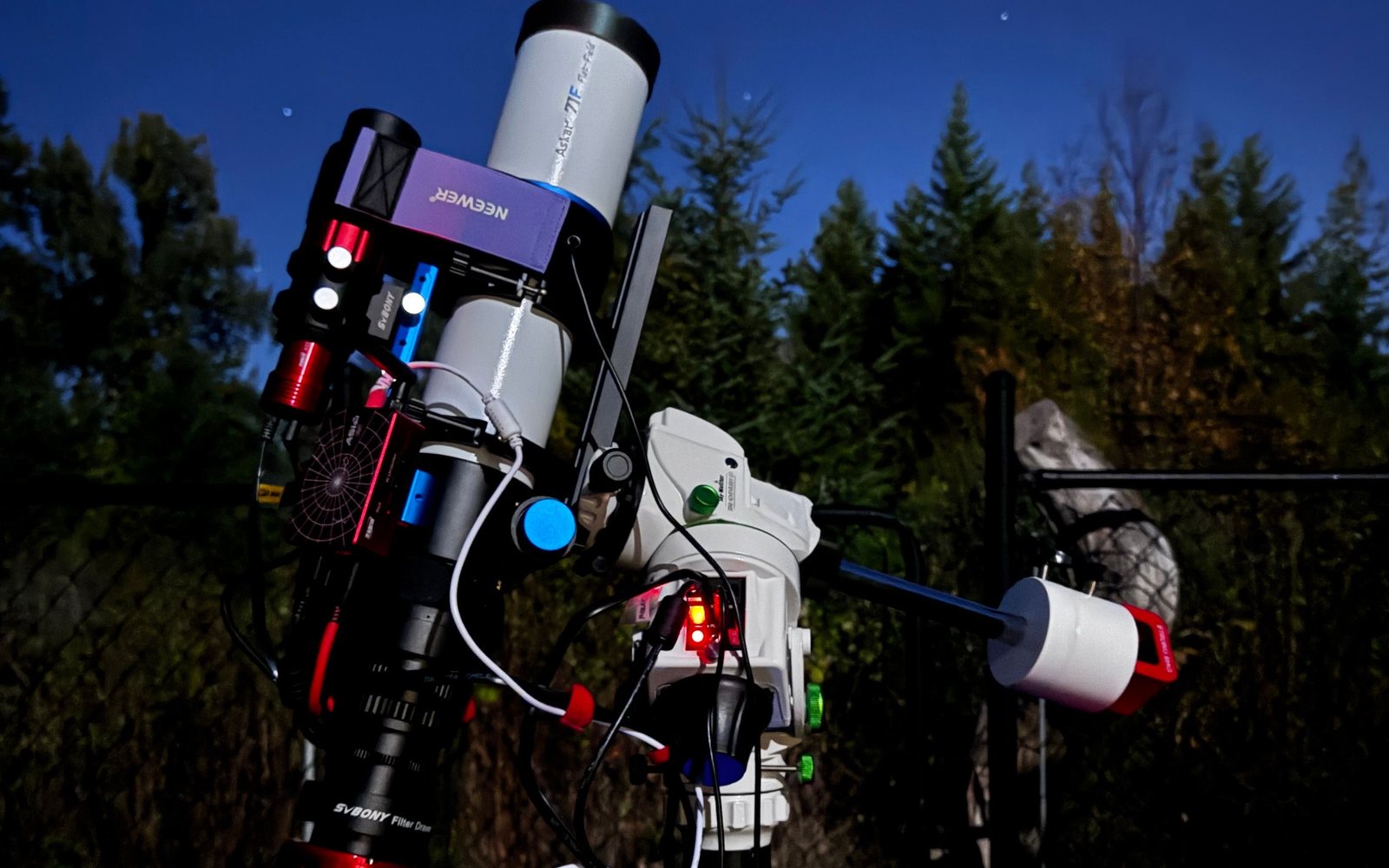
NASA-supported science teams plan to use the eclipse to study the Sun and Earth’s atmosphere. Scientific balloons, ground instruments and other observing platforms will collect data while the Moon blocks the Sun and briefly changes conditions in the atmosphere below.
The eclipse offers scientists a short window to observe the Sun’s outer atmosphere and measure rapid changes in the atmosphere below.
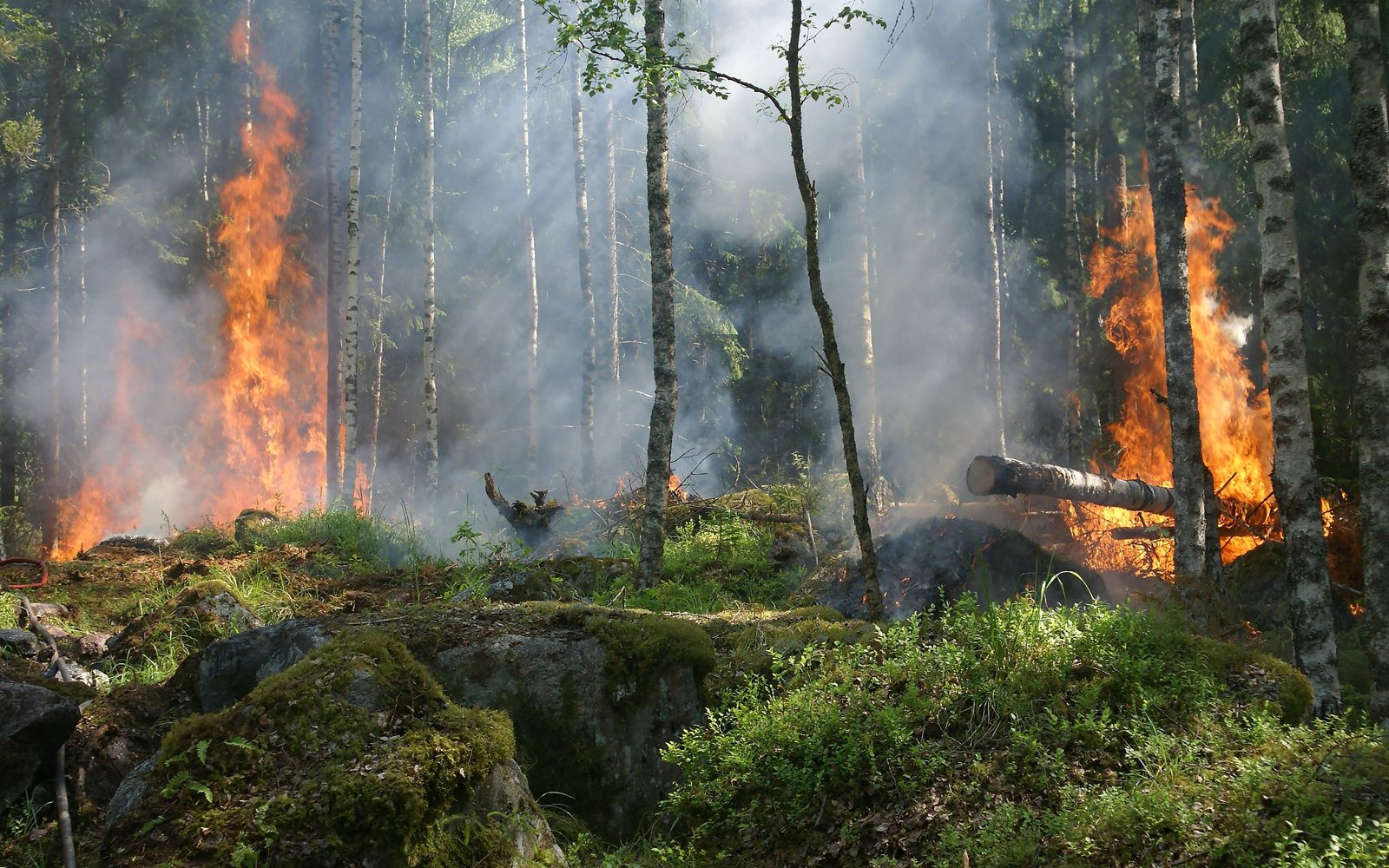
Spain’s challenge is balancing a major tourism moment with safety. Extreme heat has left vegetation dry in many areas, and wildfire risk is elevated during the same period when large crowds are expected to travel to rural viewing spots.
How to watch the eclipse safely
Officials are encouraging eclipse watchers to use approved sites, follow local fire restrictions and use certified eclipse glasses whenever any part of the Sun is visible. Looking directly at the Sun without proper eye protection can cause serious injury.
The event is expected to be one of the most watched astronomical moments of 2026 in Europe, with Spain among the best-positioned countries for totality. Weather and wildfire conditions will determine how many planned public events proceed as scheduled.


3 Comments
Sarah Miller
Demo comment content for the HTML template.
Pressly News Desk Author
Demo comment content for the HTML template.
David Lee
Demo comment content for the HTML template.